
Plan for the day, not just the photograph
A layering outfit needs to work while you leave home, travel and spend time indoors. Think about which piece you will carry or remove during that day. A hoodie that looks good only beneath a closed jacket may leave you unhappy with the outfit once you arrive. A jacket chosen only for appearance may not meet the weather you expect.
Separate those decisions. First establish the conditions and garment specifications you need. Then use shape, colour and layering to make the pieces work together. A photograph can show a puffy outline or a light-looking jacket; it cannot establish a temperature rating, insulation type or rain protection.
Seasonal knitwear offers several layering shapes, from lighter knit polos to hooded knits and quarter-zips. [1] Think about what each neckline and body shape contributes: an outer layer does not always need the same top underneath it.
A commute and a day outside need different combinations
For a short walk followed by a train journey and a heated room, consider an outfit whose layers can be removed without leaving an unfinished combination. A plain tee, sweatshirt and outer jacket give you several arrangements to compare. The decision is whether you want the sweatshirt to remain on indoors or prefer the T-shirt as your main top once you arrive.
For a longer stretch outside, establish the weather requirements before choosing the look. You may need a more protective garment than the light jacket that suits the photograph. “Puffer” describes a visible shape, not a dependable promise of warmth or water resistance. Read the actual construction and weather information for the item, and choose clothing suitable for the conditions rather than relying on an outfit formula.
Those two days can still use some of the same clothes. Keep the tee and trousers, then change the middle or outer layer as appropriate. This is where a wardrobe becomes flexible: the pieces do not all need replacing together. Buy the layer that your routine is missing, whether that is an easier indoor top or outerwear with specifications you can verify.
A lightweight-looking jacket: keep the middle layer simple
For a short collared jacket or track-style outer layer, start with a T-shirt and one sweatshirt. Compare a crewneck with a hoodie before deciding which neckline works. A crewneck leaves the collar clear, while a hood adds another shape behind the neck. The latter can be a feature, but it needs room.
Look at the front opening too. A plain jacket can frame a graphic tee, whereas a jacket with stripes or a large logo may already be the focal point. If the outer layer is busy, a plain top underneath is an easy starting combination. When both are strong, open the jacket and see which design is visible.
Hem length changes the effect of a short jacket. A small strip of shirt can provide contrast; a much longer inner layer can make the upper half feel bottom-heavy. Try the garments together before assuming that a size label settles the proportion.
Use visible hems to make the layers intentional
A pale T-shirt edge below a dark sweatshirt can create a clear contrast. Beneath a short jacket, that edge adds another horizontal line. If several hems all finish at different points, the outfit becomes more layered visually; if they finish close together, the outline looks simpler. Neither approach needs a rigid centimetre rule, but every visible strip contributes to the composition.
Try the jacket closed as well as open. When open, the front panels show the inner top and can divide its colour into a narrower central area. When closed, the lower hem may be the only part of that top visible. A length that looks balanced in the open version may feel too prominent below the closed jacket. Choose which arrangement reflects how you normally wear it.
For a restrained starting outfit, place a grey crewneck under a dark collared jacket and use a T-shirt that does not hang far below both. For a more layered direction, introduce one pale edge deliberately. Before adding another colour, check the result from the side, where the difference in lengths and the bulk around the waist can be easier to see.
A pullover under a jacket: check the neck and arms together
A roomy hoodie may be comfortable by itself but bunch under a narrower jacket. Check the sleeves and upper arms as a combination, not as separate purchases. If you plan to keep the jacket closed, the front should lie the way you want without forcing the hoodie into a bulky fold.
A hoodie, outer layer and cargo trouser can make a coherent casual combination. [2] For a quieter interpretation, use one neutral hoodie and plain trousers, then let the jacket's shape set the tone. For a graphic interpretation, leave the outer layer open so the print has a clear window.
If both pieces have substantial hoods, compare the silhouette from the side. You may prefer the added volume, or decide a crewneck gives the jacket a cleaner line. The hoodie comparison explores that choice in more detail.
Arrange colour and texture around one main layer
Start by deciding whether the jacket or the sweatshirt should be the focal point. A graphic hoodie can sit inside a quiet outer layer, with the jacket framing the image. A strongly patterned jacket is easier to compare over a plain top. If both have prominent decoration, remove a patterned trouser or loud accessory first so that the upper half has room to work.
For a softer combination, try related colours rather than an exact match: a light grey top beneath charcoal outerwear, or a cream top below beige. The layers can remain visible through changes in shade and surface. A contrasting black top under a pale jacket creates a stronger separation. Choose according to whether you want a continuous outline or a clear frame around the inner garment.
Texture can also provide interest without another graphic. A knit-looking top and a smooth-looking jacket show different surfaces in photographs, but appearance alone does not identify fibre content. Use that contrast for the visual decision, then verify the actual materials separately. Keep trousers simple while testing it; adding colour, print and several textures at once makes it harder to identify what is improving the outfit.
A puffer silhouette: control the volume underneath
Check a puffer's fit with the thicker layers you intend to wear, including how the chest, shoulders and arms move together. Lighter or slimmer pieces underneath can create a contrast to its bulk. [3] For warmth and weather protection, check the specifications of the actual garment you are considering.
Our starting suggestion is a plain sweatshirt under a puffy outer layer, with straight trousers and restrained footwear. If both the jacket and trousers are broad, keep the colours close while deciding whether you like the full-volume outline. If you want the jacket to stand out, use a quieter lower half.
The examples below illustrate different outer shapes. Confirm the actual garment's materials and intended use on the current listing before making a weather-based choice.
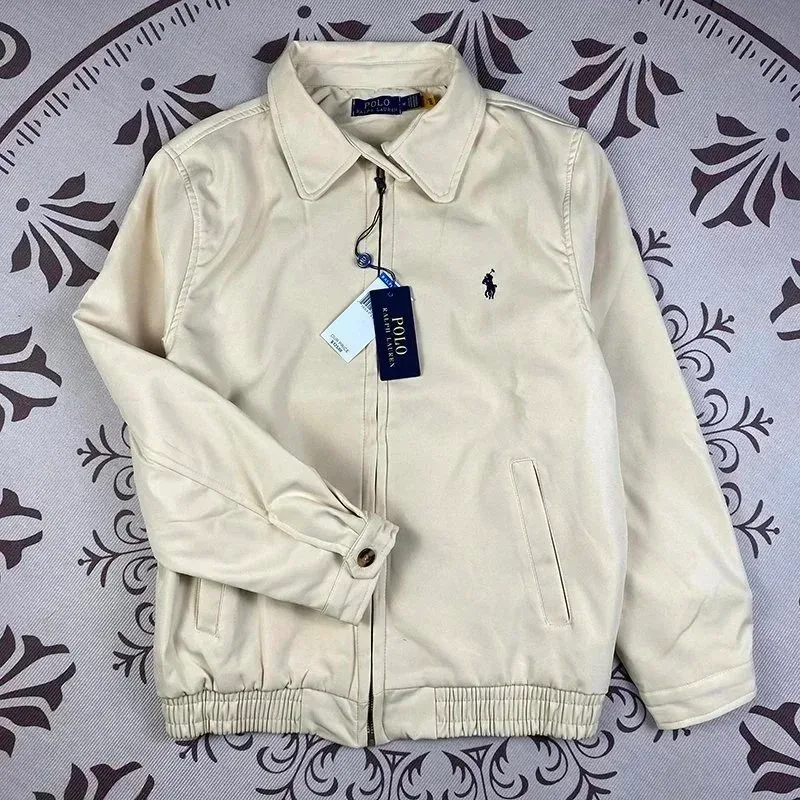
Try a plain crewneck beneath it to keep the collar and front opening clear.
View current listing ↗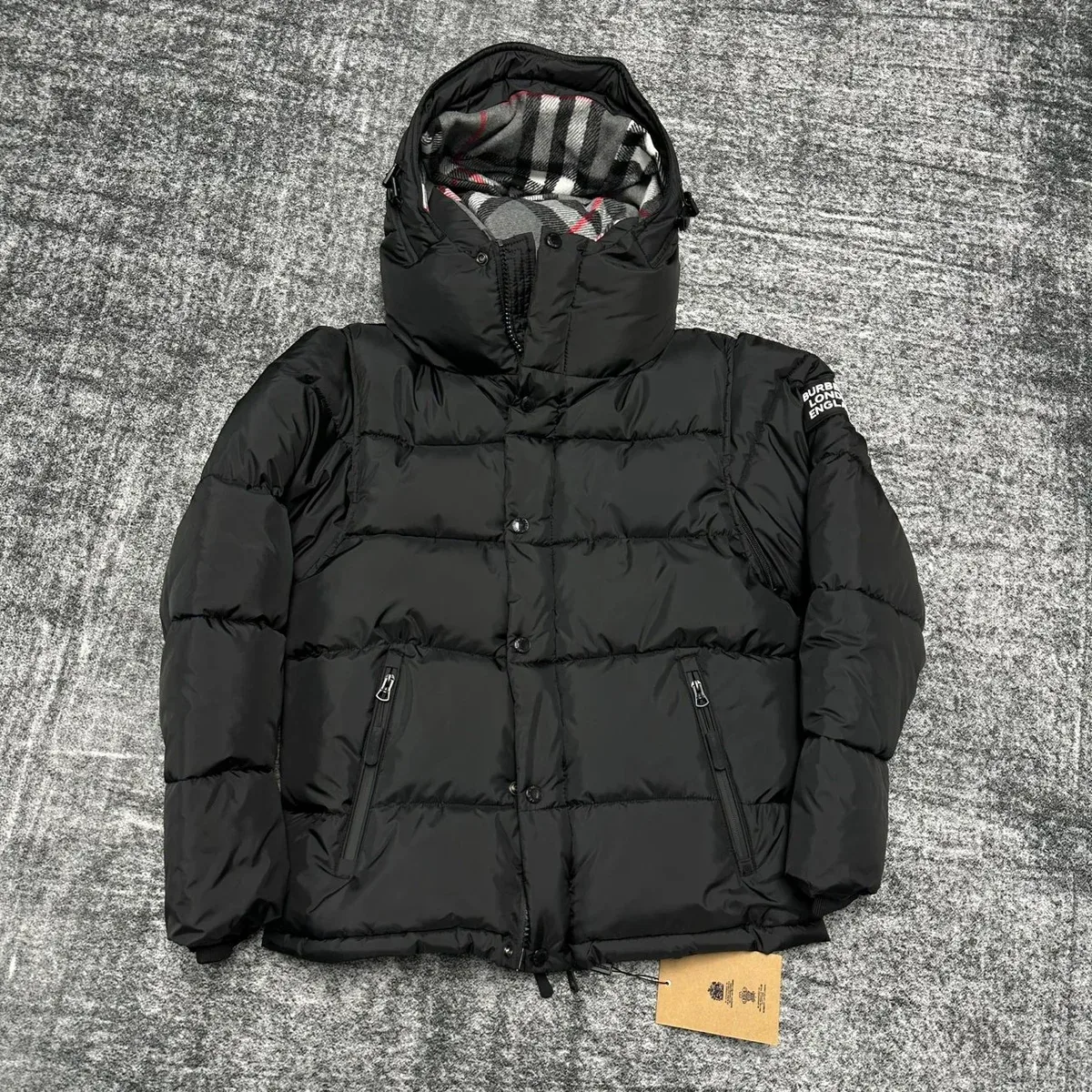
Compare its bulk with a simple sweatshirt and straight trousers.
View current listing ↗Three layered outfits, with a reason for each
For an everyday journey, try straight jeans, a plain crewneck and a short collared jacket. The crewneck leaves the collar clear, and the straight leg provides a steady line below the jacket. If the top extends too far beneath the outer layer, first try a shorter inner garment. That changes the proportion without replacing the trousers or shoes.
For a relaxed weekend, try a quiet pullover, an open jacket and roomier trousers. Let the hoodie provide the casual character while the jacket contributes another shape. If the neck feels crowded, choose one hooded layer or use a crewneck. The intended effect is relaxed volume, rather than fabric that you constantly have to rearrange around your face or arms.
For a puffer-led outfit, start with a simple inner top and straight trousers, then compare a roomier lower half if that suits your taste. The jacket is already substantial, so a quieter top makes the silhouette easier to assess. These are styling starting points, not temperature recommendations; match the actual garment to the day you plan to wear it.
| Main layer | Inner starting point | What to resolve |
|---|---|---|
| Short collared jacket | Plain crewneck | The collar and visible hem. |
| Open casual jacket | A pullover with modest decoration | Hood space and sleeve room. |
| Puffer-style outerwear | A simple, comfortable inner top | Movement with the full intended layers. |
Make the indoor outfit complete too
Before adding another layer, remove the jacket and look at what remains. Does the sweatshirt work with the trousers and shoes? Does a T-shirt hang at the length you want? Can the bag still be worn comfortably when the jacket comes back on? These checks make the outfit useful through an ordinary day.
You can often improve a combination by changing one layer rather than buying several new pieces. Swap a crowded double-hood arrangement for a crewneck, or replace a very long inner top with one closer to the jacket's length. Keep the garment measurements separate from the styling decision so that a good-looking outline has the room you need.
Explore jackets.
Open the current category to compare designs and available options.
Browse this category in the directoryJackets Browse jackets ↗References3 sources
- END. — The Knitwear Report, 5 October 2026
Seasonal editorial distinguishing knitwear shapes and their roles in layered outfits.
Accessed - Nike — Aemilia Madden — How to style a hoodie
Published examples include a hoodie, an outer layer and cargo trousers.
Accessed - The North Face — How to wear puffer jackets and vests
Brand article on fit with inner layers, movement and balancing a puffer silhouette.
Accessed